


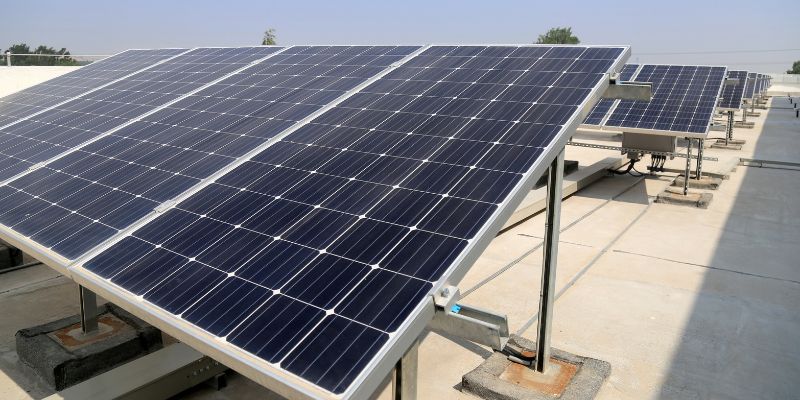
For most homeowners in Maharashtra, rising electricity bills and frequent tariff changes have become a major monthly concern. As appliances get more advanced and household consumption increases, grid electricity dependency becomes more expensive every year. This is exactly why many families are now shifting to solar power—because it offers long-term, stable, and predictable energy savings. The move toward solar is not just a trend; it is a smarter financial decision backed by data, performance, and lifestyle convenience.
Below, you’ll find a detailed breakdown with expanded pointers and supporting paragraphs, explaining why solar is the smarter way to power your home.
Why Electricity Costs Are Rising Every Year
Pointer: Electricity tariffs in Maharashtra increase annually, causing long-term financial strain.
Electricity tariffs in Maharashtra have seen a consistent upward trend due to coal shortages, rising fuel costs, infrastructure upgrades, and distribution inefficiencies. Even if your usage stays the same, your monthly bills still increase because tariff slabs keep rising. Many households have experienced 8–12% year-on-year bill increments, especially in cities like Mumbai, Pune, Nashik, Nagpur, and Aurangabad. This means grid electricity will only get more expensive in the future, making it an unreliable long-term choice. Solar, on the other hand, gives homeowners a way to reduce dependency on unpredictable tariff hikes.
How Solar Becomes the Smarter Energy Choice
1. Massive Reduction in Monthly Bills
Pointer: Solar reduces electricity bills by 60–90% depending on system size and usage.
Most homeowners who install solar panels notice immediate savings. A 3kW–5kW rooftop solar system can power major appliances like fans, lights, refrigerators, TVs, and even work-from-home setups. This drastically reduces the load drawn from the grid. Whether your monthly bill is ₹2,000 or ₹10,000, solar helps cut it down significantly. Over time, the savings compound, turning solar into a powerful financial asset rather than just an energy source.
2. Predictable Long-Term Costs
Pointer: Solar protects your home from tariff hikes for 25 years.
When you rely entirely on grid electricity, your cost is unpredictable. You don’t know how much your bill will increase next year or how consumption patterns will change. With solar, you invest once and enjoy stable energy for decades. This cost control is one of the main reasons solar has become popular among homeowners, especially those who want long-term financial security. It functions like a fixed deposit of energy—zero shocks, zero surprises, only predictable savings.
3. High ROI and 3–5 Year Payback
Pointer: Solar has one of the highest returns on investment among all home upgrades.
When compared to home renovations, electronics, furniture, or even vehicles, solar offers the fastest return. A good quality system pays for itself within 3–5 years, depending on your consumption and state subsidies. After the break-even point, you enjoy free electricity for 20+ years. No other home investment offers such long-term financial benefits. Competitor companies highlight this because it’s true—solar isn’t an expense; it’s a high-performing financial investment.
4. Government Subsidies Reduce Cost Further
Pointer: Homeowners receive up to ₹78,000 subsidy under PM Surya Ghar Yojana.
The Indian government encourages homeowners to adopt solar energy through direct subsidies. These subsidies significantly reduce the upfront cost of installation, making solar more affordable for middle-income families. The best part? The subsidy amount is transferred directly to your bank account after installation. Maharashtra homeowners benefit greatly because the state receives strong sunlight, increasing energy output and maximizing returns.
5. Net Metering Creates Additional Savings
Pointer: Sell excess solar electricity back to MSEDCL through net metering.
Net metering allows your home to export unused electricity to the grid. This exported energy is recorded and credited to your monthly bill, reducing it further. Even if you generate more power than you consume on certain days, the extra electricity is not wasted—it turns into savings. This system ensures every unit your panels produce creates value for you.
Solar vs Grid Electricity: Long-Term Comparison
Pointer: Solar consistently beats grid electricity in affordability, stability, and lifespan.
While grid electricity comes with unpredictable yearly increases, solar locks in long-term energy security. A solar system lasts 25+ years, needs very low maintenance, and provides stable, clean energy. Grid electricity, on the other hand, becomes costlier and offers no financial return. When both are compared side by side, solar clearly stands out as the smarter and more economical choice for modern homes.
Why Solar Works Best in Maharashtra
Pointer: Maharashtra receives 250–300 sunny days per year, boosting solar productivity.
The state’s climatic conditions are ideal for rooftop solar systems. Whether you live in Mumbai, Pune, Thane, Nagpur, Nashik, Kolhapur, or Solapur, the sunshine levels consistently support high solar generation. This means you generate more units per kW compared to many other states in India. More sunlight = more energy = more savings.
Who Benefits the Most from Solar?
Pointer: Any home with a terrace or open roof space can install solar.
Solar works brilliantly for:
- Independent homes
- Bungalows
- Row houses
- Farmhouses
- Small and large housing societies
- Homes with 300–500 sq. ft. terrace space
Even if you consume high units monthly due to ACs, EV charging, or water heaters, solar helps manage the load effectively.
Final Thoughts: Solar Is the Smarter Energy Future
Going solar is not just a trend; it’s a lifestyle improvement backed by real financial returns. With rising electricity tariffs, solar offers homeowners in Maharashtra a clear path to long-term savings, predictable costs, and energy independence. When you invest in solar, you’re not just reducing bills—you’re building a smarter, more sustainable future for your home.
