


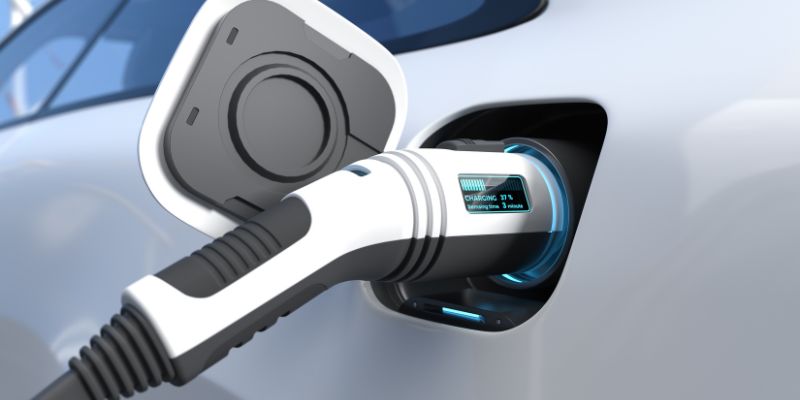
The EV charging landscape in India is evolving faster than ever. As more consumers shift to electric vehicles, traditional slow-charging stations are struggling to keep up with rising demand. This has opened the door for innovative charging business models that solve problems such as long charging time, high EV ownership cost, and a lack of accessible charging infrastructure. In 2025, the most trending models transforming the EV ecosystem are battery swapping, modular charging, and on-demand charging services. These new approaches are faster, more convenient, and more scalable, making them ideal for India’s rapidly growing EV population.
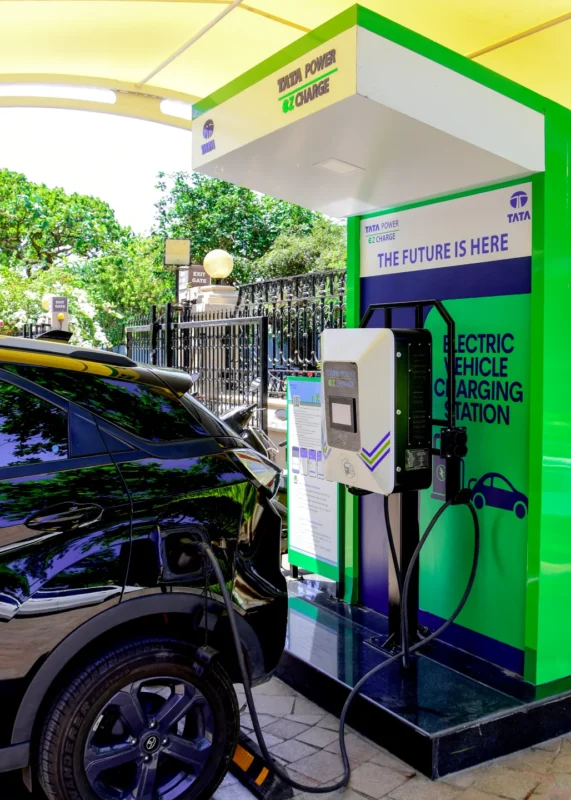
Battery Swapping – The Fastest Growing EV Charging Trend
What Is Battery Swapping?
Battery swapping is a model where EV owners replace a low battery with a fully charged one within minutes. Instead of waiting 1–2 hours for a battery to charge, the user simply exchanges it at a swapping station, making the process almost as quick as refueling a petrol vehicle.
Why Battery Swapping Is Trending in 2025
Battery swapping has gained massive popularity because it removes the biggest barrier to EV adoption — long charging times. It also reduces the upfront cost of EVs, since the battery (the most expensive component) is offered as a service, not a purchase. This model is especially successful for delivery fleets, e-commerce logistics, and urban commuters who need quick turnaround time.
Market Impact and Leading Companies
In India, companies like Sun Mobility, Ola Electric, Gogoro, and Ather Energy are aggressively expanding their swapping infrastructure. Their networks are enabling EV fleets to operate more efficiently, completing more trips per day and reducing downtime. As cities grow more crowded, battery swapping will continue to dominate because it is fast, cost-effective, and scalable.
Modular EV Charging – Scalable and Future-Ready
What Is Modular Charging?
Modular charging is a flexible system where charging power can be increased or adjusted based on real-time demand. Instead of installing a single fixed high-capacity charger, operators use multiple small power modules (for example, 30kW units) that combine to deliver higher output when needed. This allows businesses to start small and expand as EV demand grows.
Why Modular Charging Is Becoming Popular
Modular charging is trending in 2025 because it offers flexibility and reduces investment risk. Businesses don’t need to invest heavily upfront; they can install basic modules and then add more as traffic increases. This model is ideal for malls, highways, offices, residential complexes, and mixed EV fleets. It also simplifies maintenance because faulty modules can be replaced individually without shutting down the entire station.
Industry Adoption and Growth Potential
As India moves towards large-scale EV adoption, modular charging systems provide a future-ready solution. They support cars, bikes, autos, and commercial EVs at the same station, making them suitable for diverse use cases. Companies and charge-point operators are increasingly adopting modular chargers due to their durability, reliability, and scalability.
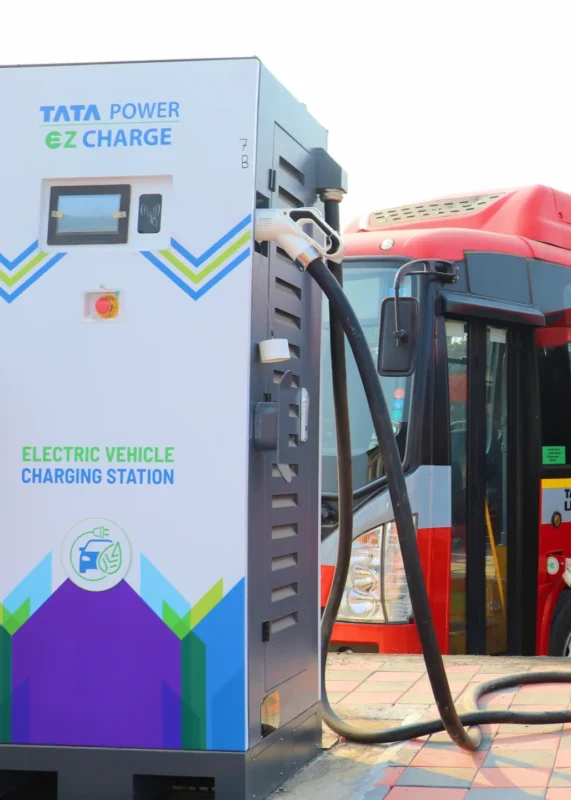
On-Demand EV Charging – Charging as a Service (CaaS)
What Is On-Demand Charging?
On-demand EV charging, also known as Charging-as-a-Service, allows users to request charging at their location through an app. Instead of driving to a station, mobile charging vans or portable charging units reach the EV wherever it is parked. This model offers convenience similar to food delivery or ride-hailing apps.
Why On-Demand Charging Is Rising Fast
In crowded cities where land is scarce for new charging stations, on-demand charging solves a major problem. It is extremely useful for emergency situations, low-battery scenarios, and premium customers who prefer convenience. Many startups are launching mobile charging fleets that operate on pay-per-use or subscription plans, making this model both accessible and affordable.
Adoption in India and Future Scope
Companies like Chargeup, Kazam, MoEVing, and several new entrants are testing mobile charging vans across Indian metros. This trend is expected to grow significantly because it eliminates the need for fixed charging stations and brings flexibility directly to the user’s doorstep. As more EVs enter the market, on-demand charging will become a critical service, especially in urban and semi-urban regions.
Conclusion
The EV charging industry in India is entering a new phase driven by innovation, speed, and convenience. Battery swapping, modular charging, and on-demand charging are the top business models reshaping the future of EV infrastructure in 2025. Each model addresses specific challenges — from long charging times to infrastructure limitations — while unlocking new opportunities for startups, fleets, and EV operators. As India moves toward mass EV adoption, these flexible and efficient charging solutions will play a central role in shaping the next decade of sustainable transportation.