Solar Solutions
Harness the limitless energy of the sun with Ecosol advanced solar systems — designed for homes, businesses, and industries to reduce energy costs and carbon footprint.
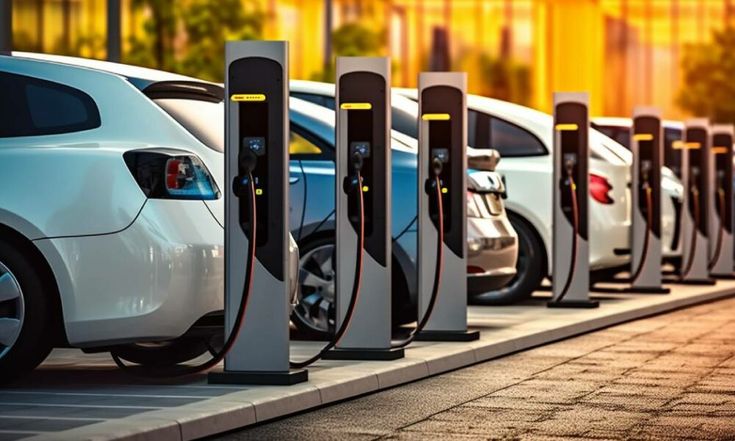
EV Charging Solutions
Experience reliable, fast, and eco-friendly EV charging solutions powered by solar energy. ECOSOL makes sustainable mobility simple and accessible for everyone.
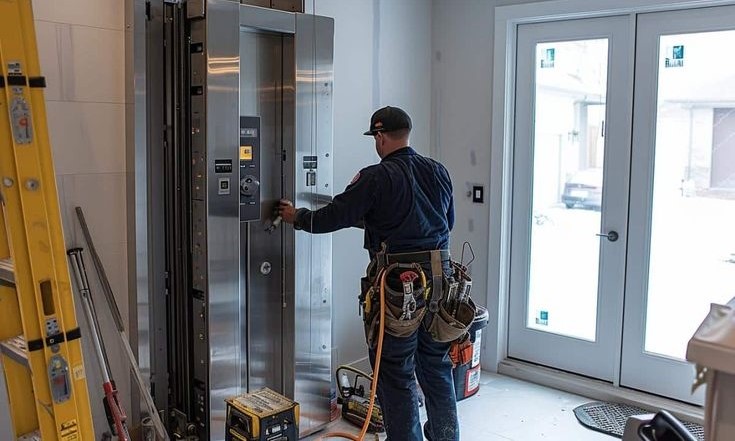
Elevator Solutions
From residential to commercial spaces, Ecosol delivers modern, energy-efficient
elevators engineered for safety, comfort, and smooth performance.

What Defines Us?
Ecosol is one of the best known and ISO 9001:2015 Certified Solar EPC Company which was started in the year 2018 with a view to make a progress in the green energy sector locally in the state of Maharashtra. In our early days we have done some residential projects, and then we made our move to commercial and Industrial projects. We started taking B2B design projects and our first International client was sunlight energy solutions based in Florida, United states. Ecosol is Authorized by the MAHARASHTRA STATE ELECTRCICITY DISTRIBUTION COMPANY LIMITED. The agency code is 7457. Also, Ecosol is Authorized by Reliance Industries Limited as their working partner to carry out the projects as per the standards in the district of Aurangabad, Maharashtra, India. We have now made our big move and now we are listed under MINISTRY OF NEW AND RENEWABLE ENERGY.
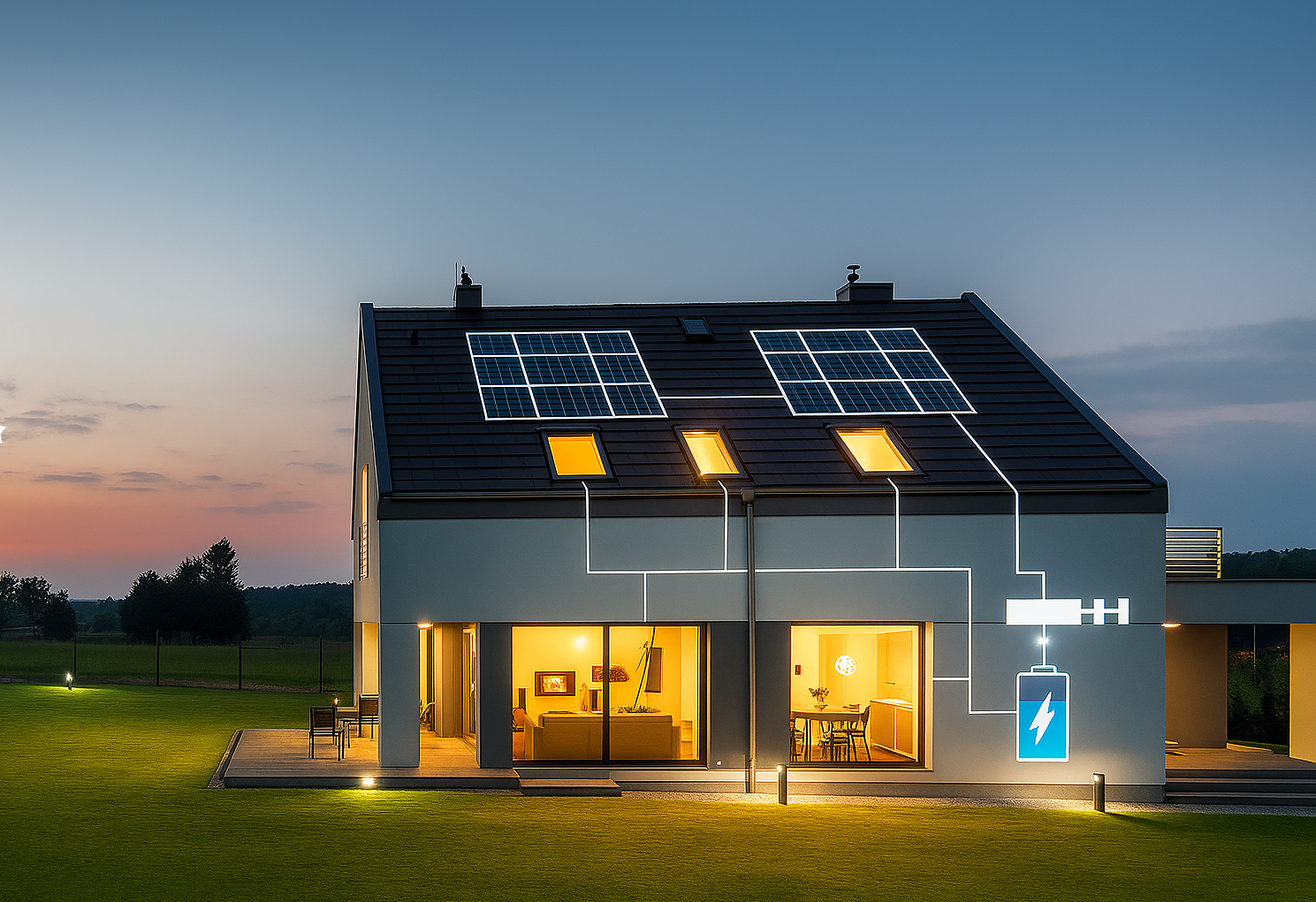
Benefits to Save Energy
Eco Friendly
Get high-quality elevators at budget-friendly prices without compromising on performance.
Easy Installation
Fast solar panel installation with minimal tools and maximum efficiency. Start generating clean power the same day.
Low Maintenance
Low-maintenance solar panels built for Indian weather conditions durable, dust-resistant, and long-lasting.
Home Appliance
Power all your essential home appliances effortlessly with solar energy. From lights to refrigerators everything runs smoothly.
What Makes Us Different?
Low Initial Cost
Switching to solar shouldn’t drain your wallet. At ECOSOL, we offer smart, budget-friendly installation plans so you save from day one not years later.
Reusable & Clean Energy
We believe in energy that gives back to the planet. Our solutions are built on recycled, renewable, and future-ready technology because sustainability matters.
Safe & Healthy Power
Your safety is non-negotiable. Our systems are engineered to deliver zero-risk power that is clean, stable, and family-safe.
Multi-Purpose Solutions
From homes and offices to factories and street lighting ECOSOL panels are designed for every space, every climate, every need.
Hassle-Free Installation
Sit back we handle everything. Our experienced engineering team manages inspections, setup, support, and after-service stress-free from start to finish.
Industries We Cater

Hospitals

Schools & Universities

Shopping Malls

Agriculture

Factories

Warehouses

Bunglows

Hotels
FAQs
What is Ecosol ?
Ecosol is a sustainable energy solutions company dedicated to providing eco-friendly technologies like solar systems, EV charging stations, and elevators.
We help businesses and homes reduce their carbon footprint while improving energy efficiency.
What is a solar rooftop system ?
A solar rooftop system is a combination of many components that convert sunlight into usable electricity.
The components of a rooftop solar include the following –
- Solar panels with PV cells
- Solar inverter
- Solar panel mounting structures
- AC and DC cables
- AC combiner box
- DC combiner box
- Earthing cables
- MC4 connectors
How does a solar rooftop system work?
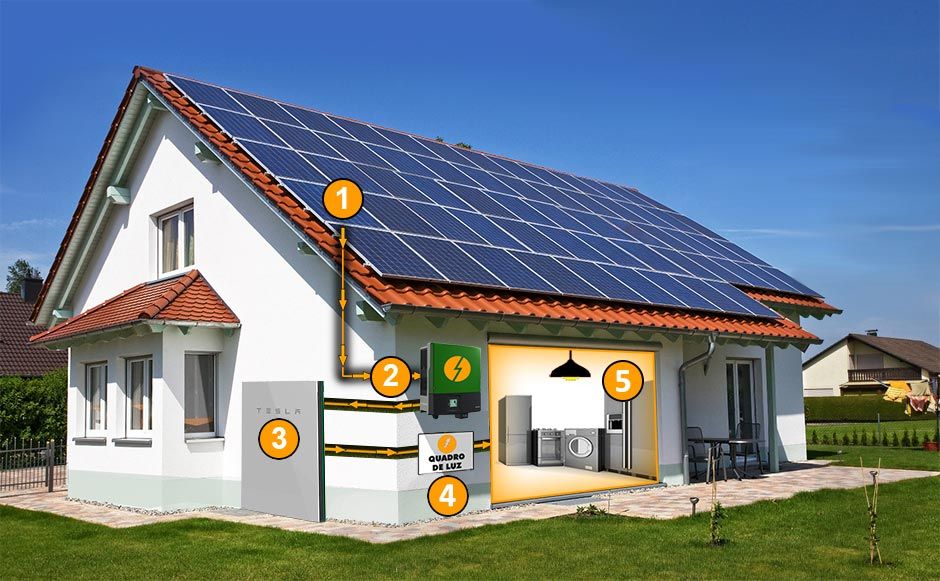
A solar rooftop system works on the concept of conversion of sunlight into electricity. The phenomenon is known as the photovoltaic effect.
When sunlight falls on the PV cells in a solar panel, the sunlight is converted into electricity. The generated power is DC current. An AC combiner box is used to convert that DC power into usable AC power.
The generated AC electricity is fed into a bidirectional meter that supplies power to the house. It also exports excess power to the DISCOM (grid) and imports power from the grid if electricity generated by the rooftop solar system is not enough to cover the daily requirement.
How to apply for a solar rooftop subsidy?
Under the DBT scheme, the subsidy application process has become much easier. Here’s a step-by-step breakdown:
- Visit the National Portal for Rooftop Solar website.
- Download the Sandes app from the website and install it.
- Register as a customer on the Sandes app.
- Once registered, a discom official will visit your home to assess technical feasibility.
- After receiving the No Objection Certificate (NOC) from the official, choose Ecosol as your solar installation company.
- Discuss the project details with us and sign an agreement.
- Upon receiving payment, we will commence the installation process.
- We will then provide a work completion report and apply for a net meter installation on your behalf.
- You will receive a commissioning certificate upon completion.
- Submit your bank account information and upload a copy of a cancelled cheque through the National Portal for Rooftop Solar.
- Once the fund handling agency receives your details, the subsidy will be credited to your bank account within 30 days.
By following these steps, you can smoothly complete the process and enjoy the benefits of solar energy.
What is the price of a solar system in India without a subsidy?
If you are planning to install solar for home or housing societies, the solar panel for home price list we’ve curated will greatly help you. Here’s the reference about the range of solar panels for home cost without a subsidy in India:
- 2 kW rooftop solar system: ₹1,51,000 to ₹2,28,000
- 4 kW rooftop solar system: ₹2,40,000 to ₹3,19,000
- 7 kW rooftop solar system: ₹4,21,000 to ₹5,39,000
- 3 kW rooftop solar system: ₹1,92,000 to ₹2,63,000
- 5 kW rooftop solar system: ₹2,87,000 to ₹4,14,000
- 10 kW rooftop solar system: ₹5,59,000 to ₹7,08,000
Is solar power safe?
Yes. The electricity produced by a solar power system is no different than the electricity you get from your electricity distribution company. The only difference is the source. Moreover, it is among the safest source of electricity consumption because it is neither hazardous nor does it release any toxic or harmful gases during production.
Why should I go solar?
If you want to save money from the sun, Solar is the best investment for you. Solar allows you to save on your monthly electric bills plus it also allows you to save the planet by going green. Solar energy is a true form of renewable clean energy which leads to zero pollution (air, noise, land) and emits no greenhouse gases mitigating climate change.
What do I need to install a rooftop solar system?
All you need to qualify for a solar system is – empty space on your roof and access to your rooftop. Just fill the project enquiry form on our website and our team will contact you to discuss your requirement. Once the project is finalised, we will take care of your entire plant design, installation and maintenance.
What are the different types of Solar systems?
There are 3 types of Solar systems depending on whether the plant is linked to the power grid or battery systems for storage.
- On-grid solar systems use common solar inverters and are connected to the public electricity grid. Any excess solar power that you generate is exported to the electricity grid and one usually get paid a feed-in-tariff or credits for the energy you export. The policy for getting credits for energy exported to the credit is termed as “Net-Metering Policy” and is available currently in most states of India.
- Off-grid solar systems are not connected to the electricity grid and therefore requires battery storage. An off-grid solar system must be designed appropriately so that it will generate enough power throughout the year and have enough battery capacity to meet the home’s requirements, even in the depths of winter when there is less sunlight.
- Hybrid solar systems combines solar and battery storage in one and are now available in many different forms and configurations. This means being able to store solar energy that is generated during the day and using it at night. When the stored energy is depleted, the grid is there as backup, allowing consumers to have the best of both worlds.
Do solar panels generate electricity even during monsoon and winter?
Yes, Solar panels do produce electricity in cloudy or rainy weather albeit with reduced efficiency. This fall in production is considered in the unit generation estimates provided for every project.
Does a rooftop solar PV generate power during a power failure?
No, rooftop solar PV does not function or generate electricity during a blackout due to safety reasons. Since blackouts occur when the electricity grid is damaged. If a solar inverter was still feeding electricity into a damaged grid it would risk the safety of the people repairing the fault in the network. Ecosol provides the option of using a Li-ion storage battery with Solar power plants for areas which suffer from frequent power failures. This battery unit can store the excess electricity produced during the day and acts as a backup for any electricity requirement during night or in the event of a power failure.
How much electricity does a solar plant produce?
The production level of a solar plant depends on multiple factors like radiation levels, amount of sunlight received, plant design and quality of components. On an average, 1 kW solar plant produces 4 units of electricity per day.
What kind of appliances can I use on Solar Power?
Solar Power plants are used to power all types of heavy machinery in industrial plants as well as household electrical and electronic appliances. Since the electricity produced from the plant is fed in sync with your grid/diesel generator, there are no voltage fluctuations irrespective of the number of appliances you use.
How do I decide what size of plant I need?
The size of your Solar plant depends on the following factors
- Your electricity consumption pattern
- Available shadow free area
- Solar irradiation in your area
Once you enlist your interest in a solar project, Ecosol conducts a scientific mapping of the appropriate project size for you.
What is Net metering?
Net Metering is a system that gives solar energy owners credits for the power that they add to the grid. When solar panels produce excess power, that power is sent to the grid. And this power can be ‘taken back’ when the solar plants are not functioning – example, during the night. When a unit of solar energy that has been ‘net metered’, the bi-directional electricity meter will run backwards. Customers are billed only for the ‘net’ energy use.
What is the life of a rooftop solar system?
The Solar Plant life is 25 years. The main components are solar panels and inverters. Solar panels have a warranty of 25 years and inverter warranty ranges from 5-12 years.
Do Solar Rooftop projects have a high maintenance cost?
A Solar Rooftop module comprises minimal moving parts and hence has very low maintenance cost. SolarSquare Energy provides first 5-year maintenance free of cost to clients ensuring a hassle free experience for all our customers.
Can Solar projects damage my roof?
SolarSquare Energy has a UL certification (one of the highest quality and safety standards in the world) and ensures that no damage to the existing structures takes place during the installation or running of the solar plant. We use a multitude of techniques like non-penetrating structures and waterproofing solutions to ensure your roof’s integrity.
Do I need to clean my Solar plant?
It is a good practice to clean the solar panels 1-2 times a month. It is safer to clean the panels early in the morning or at night when no incident sun rays are present and the power plant is not producing any electricity. You can simply use a clean wet cloth, soft nylon brush or sponge to wipe the surface but ensure the panels are clear of any moisture. Don’t use metal brushes or detergents as these may streak the glass of the panel.
My roof is not made of concrete; can I still install a Solar Project?
Solar power plants can be installed on almost any type of roofs irrespective of their shape or material type. In cases where the construction material is brittle (Asbestos) or the roof integrity is compromised, Ecosol provides roof replacement solutions as part of the solar rooftop project.
How much does a solar Plant cost?
The cost of a solar plant depends on its size, configuration and degree of supporting structures required. We provide you multiple options to choose from, designed specifically to meet your requirements.
What is the break-even period for Solar rooftop projects?
Rooftop solar projects are among the most lucrative investments for industrial, commercial and residential projects. The breakeven is achieved in 2-4 years itself, while you enjoy savings for the project life of 25 years.
Are there any subsidies provided by the government for solar projects?
There are no subsidies available for commercial entities. For residential rooftop solar projects, subsidies are released by the government within 30 days. Whenever a subsidy is applicable, Ecosol assists you throughout the entire process—from application to disbursement—ensuring you receive the subsidy amount. The various slabs of subsidy are –
| Segment | Solar Project size | Subsidy |
|---|---|---|
| Individual house | 1kW | ₹30,000/- |
| Individual house | 2kW | ₹60,000/- |
| Individual house | Above 3kW | ₹78,000/- |
| Group Housing Societies/Residential Welfare Associations | Rs 18,000/kw |
At present, the Uttar Pradesh state government provides an additional solar subsidy of ₹15,000 per kw (max ₹30,000) when you install a rooftop solar system, bringing the total maximum subsidy amount to ₹1,08,000.
How do I avail subsidy provided by the Madhya Pradesh government?
Ecosol provides the subsidy upfront as a direct discount to the consumers to ensure a hassle free experience.
What is the difference between CapEx and OpEx models?
In a Capex model, the entire investment comes from the power consumer. The consumer hires a solar EPC company who provides turnkey installation of the entire solar power system and hands over assets to consumers. EPC also does annual operation and maintenance (O&M) of plant. In the OPEX model, an investor or project developer (sometimes called Renewable Energy Service Company –RESCO) invests the CAPEX and the consumer pays for the energy consumed. Both consumer and developer sign a long-term power purchase agreement (PPA) for an agreed tenure & tariff.
Are financing options available for Solar Rooftop projects?
Ecosol provides lucrative EMI options while also facilitating collateral free loan facilities provided by various banking institutions for solar projects.
Watch and discover
Explore how our seamless electric vehicle charging solutions are designed to make your journey effortless and enjoyable. With our state-of-the-art technology and user-friendly app, finding and using EV charging stations has never been easier.
All you need to know about the facts that talk about the real story of electric vehicles
Be a part of a road trip with Overdrive’s Deepali Rana to explore the expanding EV infrastructure of India
Become Our Business Partner
The solar industry in India is growing fast and has a huge business opportunity. If you want to start a profitable and future-ready business, this is the right time.
Why partner with ECOSOL?
- Trusted company with ethical business values.
- High-quality and certified solar products.
- Good profit margin on every sale.
- Full support in sales, marketing, and installation.
- Low investment required, high earning potential.
Who can join?
- New entrepreneurs.
- Existing shop owners / dealers.
- Business investors.
- Anyone interested in the solar industry.
Get Your 3D Solar Model
- 3D Walkthrough Video.
- Complete Technical Drawings.
- Shadow & Wind Analysis.
- Accurate Structure & Load Report.