


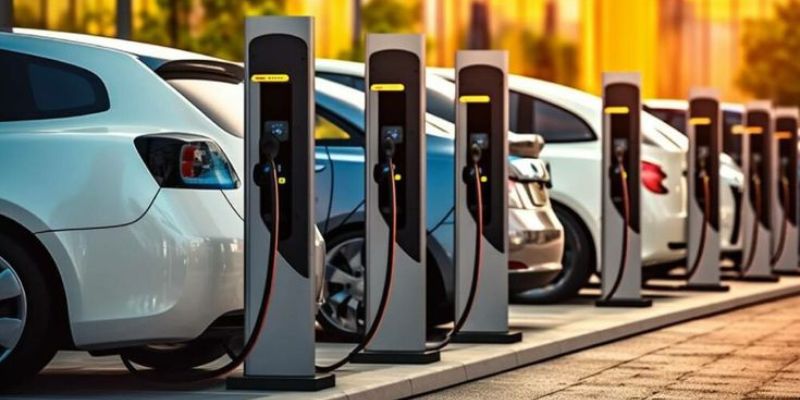
India is experiencing one of the fastest electric vehicle (EV) transitions in the world. With government incentives, falling battery prices, and rising fuel costs, consumers and commercial fleets are rapidly shifting to EVs. While this surge is a positive sign for sustainability, it has also created enormous pressure on India’s existing charging infrastructure. The rise in EV adoption has exposed gaps in charging availability, speed, and network reliability. However, this challenge presents a massive opportunity for businesses, investors, and charging operators to build smarter, faster, and more scalable EV charging networks.
How Rapid EV Adoption Is Putting Pressure on Charging Networks
Increasing EV Sales Are Outpacing Charging Infrastructure
India’s EV sales have crossed record numbers, especially in the two-wheeler and three-wheeler categories. But the number of public charging stations is not growing at the same pace. As more EVs hit the road, the existing chargers face congestion, long queues, and slow turnaround times. Cities like Mumbai, Pune, Delhi, and Bangalore are already seeing pressure on their charging grids.
Long Charging Time Is Creating Bottlenecks
Even with fast chargers, many EVs take 30–60 minutes to complete a session. At scale, this slows down the movement of vehicles and reduces station availability. Fleet operators, who run dozens of EVs daily, are among the most affected because downtime directly affects delivery speed and operational efficiency.
Strain on Grid Capacity and Load Management
As hundreds of EVs charge simultaneously, local transformers and distribution networks experience heavy loads. Without proper load balancing and smart energy management, this can lead to power fluctuations and inefficiencies. Many charging operators are now forced to invest in better grid connections, battery storage, and solar-powered solutions.
Opportunities Created by the EV Boom for Charging Networks
Expansion of Fast-Charging & Ultra-Fast Charging Stations
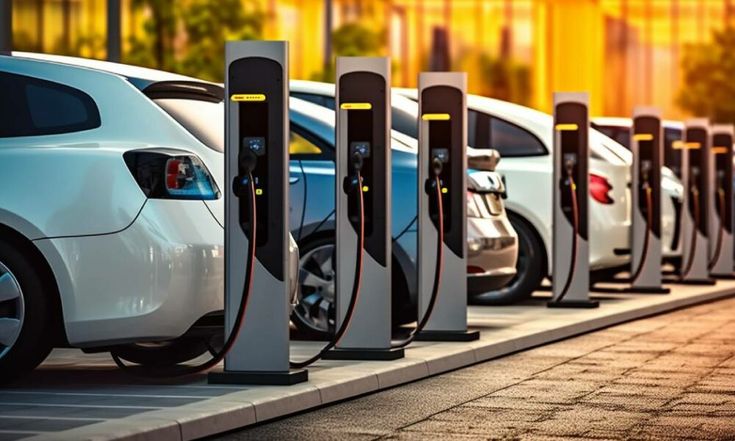
The demand for fast charging is rising sharply. Companies and startups now see huge opportunities in setting up ultra-fast chargers (60kW to 360kW) at malls, highways, corporate parks, and residential societies. These chargers reduce wait times and support long-distance travel, making EVs more practical for all users.
Growth of Smart Charging, Energy Storage & AI-based Load Management
There is a growing opportunity for intelligent charging networks that use AI to manage peak loads, schedule charging hours, and optimize energy usage. Battery storage systems and renewable energy integration are also becoming key revenue drivers for modern charging companies.
Increase in Fleet-Focused Charging Hubs
Commercial fleets—such as delivery bikes, autos, taxis, and logistics vehicles—are adopting EVs at high speed. This creates an opportunity for dedicated fleet charging hubs that operate 24/7, offer faster swapping/charging, and ensure zero downtime. Fleet hubs are now one of the most profitable EV business segments.
Rise of New Business Models
The pressure on traditional charging networks has opened doors to innovative models such as:
- Battery swapping for 2W/3W fleets
- Modular charging systems that scale instantly
- On-demand mobile charging vans
- Charging-as-a-Service (CaaS) subscription plans
These flexible models allow operators to grow rapidly without massive upfront investment.
The Road Ahead — Turning Pressure into Long-Term Growth
India’s EV growth is unstoppable, and the charging industry must scale at the same speed. While today’s pressure creates operational challenges, it also signals a long-term opportunity worth billions. Companies that invest early in fast charging, smart charging technology, renewable-powered stations, and fleet-based networks will dominate the next decade of EV infrastructure. As EV adoption continues to double year after year, the need for accessible, reliable, and high-speed charging will shape the future of sustainable transportation in India.